
Build the Future: 7 Trending Woods for CNC-Enabled Manufacturing
Overview
7 Trending Woods for CNC-Enabled Manufacturing. 7 Trending woods for CNC furniture manufacturing in South Africa’s modern furniture manufacturing sector, CNC (Computer Numerical Control) technology is transforming design, production speed, and product quality. With advanced cutting, routing, and engraving capabilities, CNC machines enable manufacturers to deliver high-precision, bespoke products at scale. As furniture makers and workshops adopt CNC apparatus, the choice of wood becomes a critical production and market differentiator.
Choosing the right wood is essential for achieving design integrity, structural strength, and efficient CNC machining. This guide explores the most popular and trending wood materials for furniture manufacturing in 2026, tailored to the South African context and CNC workflows.
Why Wood Selection Matters for CNC Furniture Manufacturing
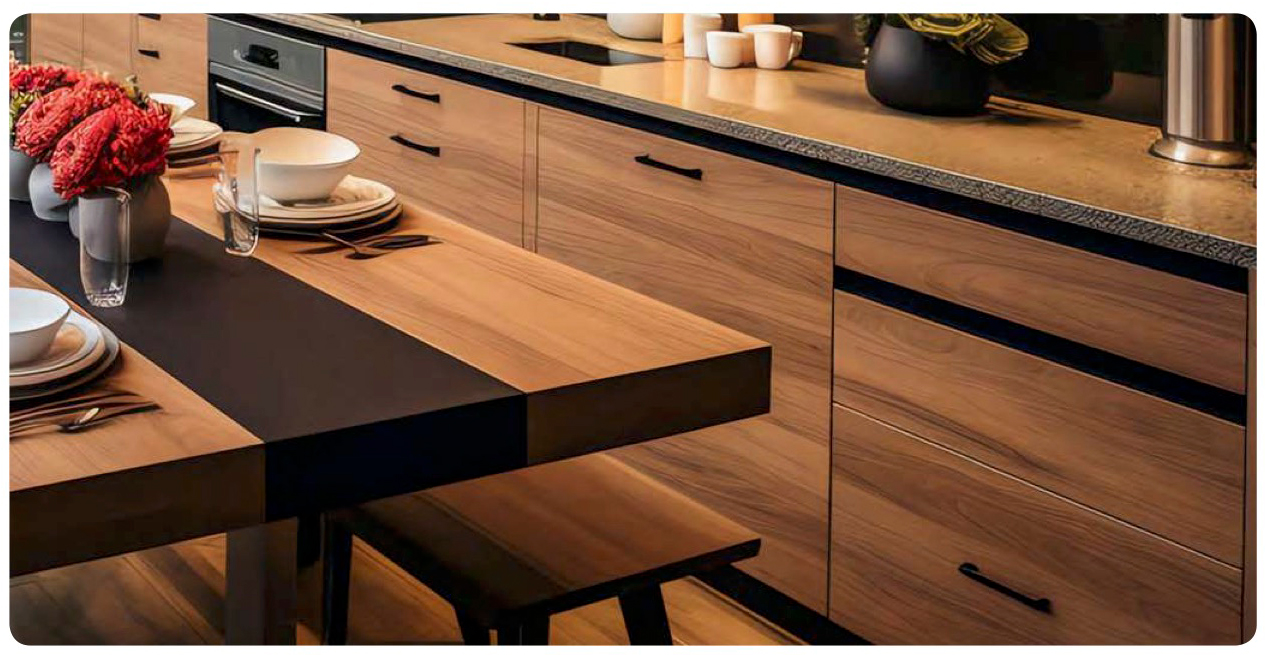
CNC machines excel with consistent, stable materials that:
- Cut, curve, and profile cleanly
- Minimise splintering and wear on tooling
- Deliver predictable output across batches
- Support both functional and aesthetic needs
In South Africa, rising demand for local furniture products — supported by government procurement guidelines and industrial funding — is driving manufacturers to choose wood products that balance quality, cost, and machining performance.
Most Popular Woods for CNC Furniture Production
1. Birch Plywood
Birch plywood is a perennial favourite in CNC furniture manufacturing.
Key Benefits
- Smooth, uniform core and face layers for precision CNC cuts
- Strong structural performance for cabinets, shelving, and tables
- Excellent for nested parts and flat-pack production
Why it’s trending
Its stability and predictability make birch plywood ideal for CNC operations that demand repeatable cuts and minimal tool wear, especially in high-volume production environments.
2. MDF (Medium Density Fibreboard)
MDF continues to be widely used across the South African furniture sector.
Key Benefits
- No grain direction, knots, or voids for clean CNC routing
- Minimal tear-out on edges and consistent surface finish
- Perfect for painted furniture or detailed engraved designs
Use Cases
MDF is especially suitable for modern storage units, indoor furniture panels, and decorative finishes that require CNC detail work.
3. Pine (Finger-Jointed & Laminated)
While traditional pine sometimes presents inconsistencies, engineered pine products such as finger-jointed boards and laminated boards have become more CNC-friendly.
Key Benefits
- Affordable and locally accessible
- Strong performance when defect-free and laminated
- Good for structural frames and painted furniture
Why it’s trending
Finger-jointed pine eliminates large knots and weak points, making it reliable for CNC production and local furniture ranges.
4. Oak (Solid and Engineered)
Oak remains a premium choice for high-end furniture that matches CNC precision with timeless appeal.
Key Benefits
- High strength and durability
- Accepts CNC profiling, carving, and finishing exceptionally well
- Rich grain suited for visible surfaces
Use Cases
Dining tables, wooden counters, executive desks, and custom joinery where visual impact is a priority.
5. Beech
Beech wood is known for its fine grain and stability, making it excellent for complex CNC machining.
Key Benefits
- Smooth edge quality on CNC cuts
- Minimal tear-out and predictable performance
- Strong mechanical properties
Where it excels
Chairs, seats, curved components, and bespoke furniture that benefit from detailed CNC shaping.
6. Bamboo Panels
Increasingly popular among South African manufacturers, bamboo is chosen for sustainability and performance.
Key Benefits
- Renewable and eco-friendly
- Excellent strength-to-weight ratio
- Good compatibility with CNC tools when properly prepared
Why it’s trending
Bamboo aligns with eco-design trends and appeals to environmentally conscious consumers.
7. Melamine-Faced and Laminated Boards
Pre-finished boards streamline manufacturing by eliminating secondary finishes.
Key Benefits
- Saves time and labour after CNC cutting
- Consistent surface quality
- Cost-effective for large projects
Use Cases
Kitchen cabinets, wardrobes, office furniture, and modular systems.
CNC Machining and Production Efficiency
Selecting the right wood also improves production efficiency:
- Reduced tool wear on CNC bits
- Less waste due to better nesting and board utilisation
- Faster turnaround with fewer reworks
These factors directly influence manufacturing costs, delivery times, and profitability — key considerations for competitive South African furniture producers.
Government Support and Funding for CNC Manufacturers
Access to financial support enhances the capacity of local furniture manufacturers to adopt advanced equipment, such as CNC routers and edge-banding machines. One such mechanism is the National Empowerment Fund (NEF) Furniture Fund (NEF Resource), a programme designed to boost the domestic furniture industry, create jobs, and reduce dependency on imports.
The NEF Furniture Fund enables qualifying businesses to secure loans of up to R5 million per transaction to purchase capital equipment, cover working capital, and strengthen operational capabilities.
A key example of this support is ****, where a 100 % black-owned and women-led furniture maker received NEF funding to acquire critical manufacturing equipment and build working capital capacity. This sort of funding helps small and medium furniture workshops invest in CNC machinery that would otherwise be unaffordable.
Beyond Ziphiwo Group, other NEF-supported manufacturers in the sector include youth and black-owned businesses advancing local design and production capacity, demonstrating how strategic financing supports industrial growth and skills development.
Choosing Wood for Different Product Categories
When pairing wood types with product lines, South African manufacturers often consider:
- Office Furniture: Birch plywood, melamine boards, and engineered oak for durability and professional finish.
- School Furniture: Robust plywood and finger-jointed pine for stability and cost efficiency.
- Home Furniture: Oak, beech, bamboo panels, and premium plywood for aesthetic appeal.
- Custom CNC Products: MDF for detailed designs and fine cut-outs, bamboo for eco-designs, and solid hardwoods for sculpted pieces.
Conclusion
As CNC technology continues to define modern furniture manufacturing in South Africa, the choice of wood materials plays a critical role in production efficiency, cost management, and product quality. From birch plywood and MDF for precision manufacturing to oak and bamboo for distinctive finished products, the right material selection enables CNC workshops to deliver superior outcomes.
Strategic support from institutions like the National Empowerment Fund empowers local manufacturers to invest in advanced production tools and compete in both local and (eventually) export markets. For South African furniture brands and CNC workshops alike, aligning wood selection with CNC capabilities and available funding opportunities will unlock growth and help shape the future of the industry.